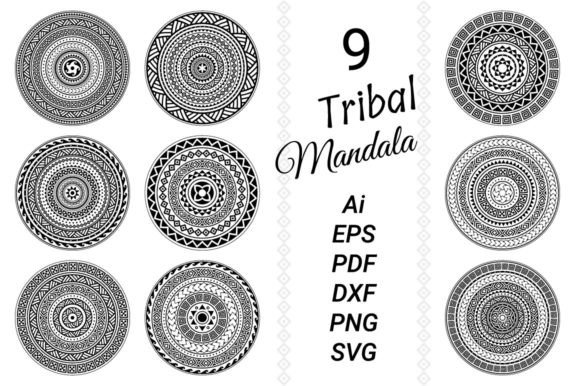
Tribal Mandala: A Fusion of Cultural Artistry and Modern Design
The Origins and Evolution of Tribal Mandala
Historically, tribal tattoos were not merely decorative but served as markers of identity, status, and lineage. In Polynesian cultures, for example, tattoos were deeply symbolic, often representing a person’s achievements, ancestry, and spiritual beliefs. Similarly, Maori tattooing, known as moko, was an elaborate process that conveyed a wealth of personal and communal information. These traditional designs, characterized by bold lines, geometric patterns, and natural forms, have found new life in the Tribal Mandala style.
Characteristics of Tribal Mandala Design
Tribal Mandala designs are distinguished by their use of geometric shapes, repetitive patterns, and intricate detailing. These elements create a sense of balance and harmony, which is central to both tribal art and mandala design. The black-and-white color scheme is particularly common, emphasizing contrast and clarity. This aesthetic choice makes Tribal Mandala patterns highly adaptable for use in coloring books, digital illustrations, and print media.
- Geometric Precision: Tribal Mandala incorporates sharp angles, straight lines, and symmetrical compositions, reflecting the mathematical precision of traditional tattoo art.
- Cultural Symbolism: Each pattern carries cultural significance, often drawing on symbols from nature, mythology, and ancestral stories.
- Versatility: These designs can be scaled up or down, making them suitable for everything from small tattoos to large-scale wall art.
File Formats and Practical Applications
One of the key advantages of Tribal Mandala patterns is their compatibility with multiple file formats. Artists and designers can work with vector-based formats like AI (Adobe Illustrator), EPS (Encapsulated PostScript), and SVG (Scalable Vector Graphics) for high-quality scalability. For printing purposes, formats such as PDF, PNG, and DXF (Drawing Exchange Format) are also widely used. This flexibility ensures that Tribal Mandala designs can be applied across a wide range of mediums and platforms.
Common applications include:
- Coloring Books: Tribal Mandala patterns provide engaging and culturally rich content for coloring enthusiasts.
- Yoga Decorations: The calming and meditative nature of these designs makes them ideal for yoga studios and wellness spaces.
- Henna and Mehndi Art: The intricate lines and patterns are well-suited for henna designs, especially in South Asian cultures.
- Business Cards and Invitations: The visual impact of Tribal Mandala makes it a popular choice for branding and event materials.
- Backgrounds and Digital Art: These patterns add depth and texture to digital projects, from websites to mobile apps.
The Role of Tribal Mandala in Contemporary Culture
In modern times, Tribal Mandala has transcended its traditional roots to become a global design trend. It is embraced by artists, tattooists, educators, and even corporate brands looking to incorporate cultural authenticity into their work. This widespread appeal is due in part to the universal themes explored in Tribal Mandala—such as spirituality, connection, and transformation.
For professionals in the creative industry, Tribal Mandala offers a unique way to blend cultural appreciation with commercial viability. Educators can use these designs to teach students about indigenous art forms and the importance of cultural representation. Meanwhile, hobbyists and DIY enthusiasts enjoy the challenge of creating or customizing Tribal Mandala patterns for personal use.
Considerations for Using Tribal Mandala
While Tribal Mandala is a powerful and versatile design style, there are several considerations to keep in mind when using it. First and foremost, respect for the cultural origins of these designs is essential. Appropriation without understanding can lead to misrepresentation or disrespect. Therefore, it is important to approach Tribal Mandala with sensitivity and awareness of its historical and cultural context.
Another consideration is the complexity of the patterns. While the geometric nature of Tribal Mandala makes it visually appealing, it can also be challenging to replicate accurately. Designers should invest time in studying traditional examples and practicing techniques to ensure authenticity and quality.
Finally, accessibility is an important factor. When using Tribal Mandala in digital or print formats, it is crucial to ensure that the design remains legible and usable across different platforms and devices. This includes testing the design in various sizes and ensuring that the contrast between black and white elements is clear.
Conclusion
Tribal Mandala represents a fascinating intersection of tradition and innovation. By combining the rich symbolism of tribal art with the meditative qualities of mandalas, this design style offers endless possibilities for creative expression. Whether used in tattoos, business cards, or digital media, Tribal Mandala continues to inspire and captivate audiences around the world. As we continue to explore and appreciate the beauty of these patterns, it is important to do so with respect, knowledge, and a commitment to cultural integrity.